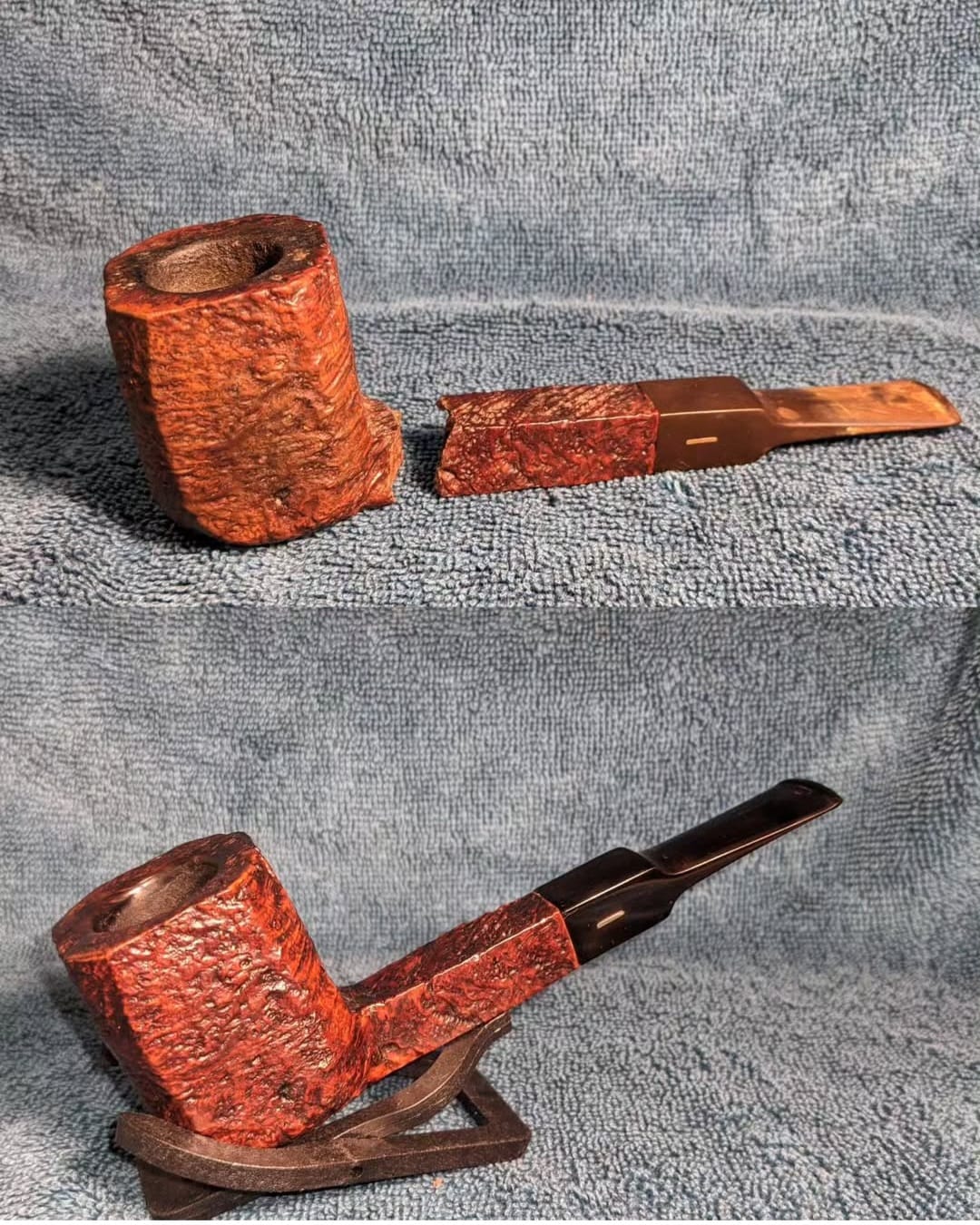
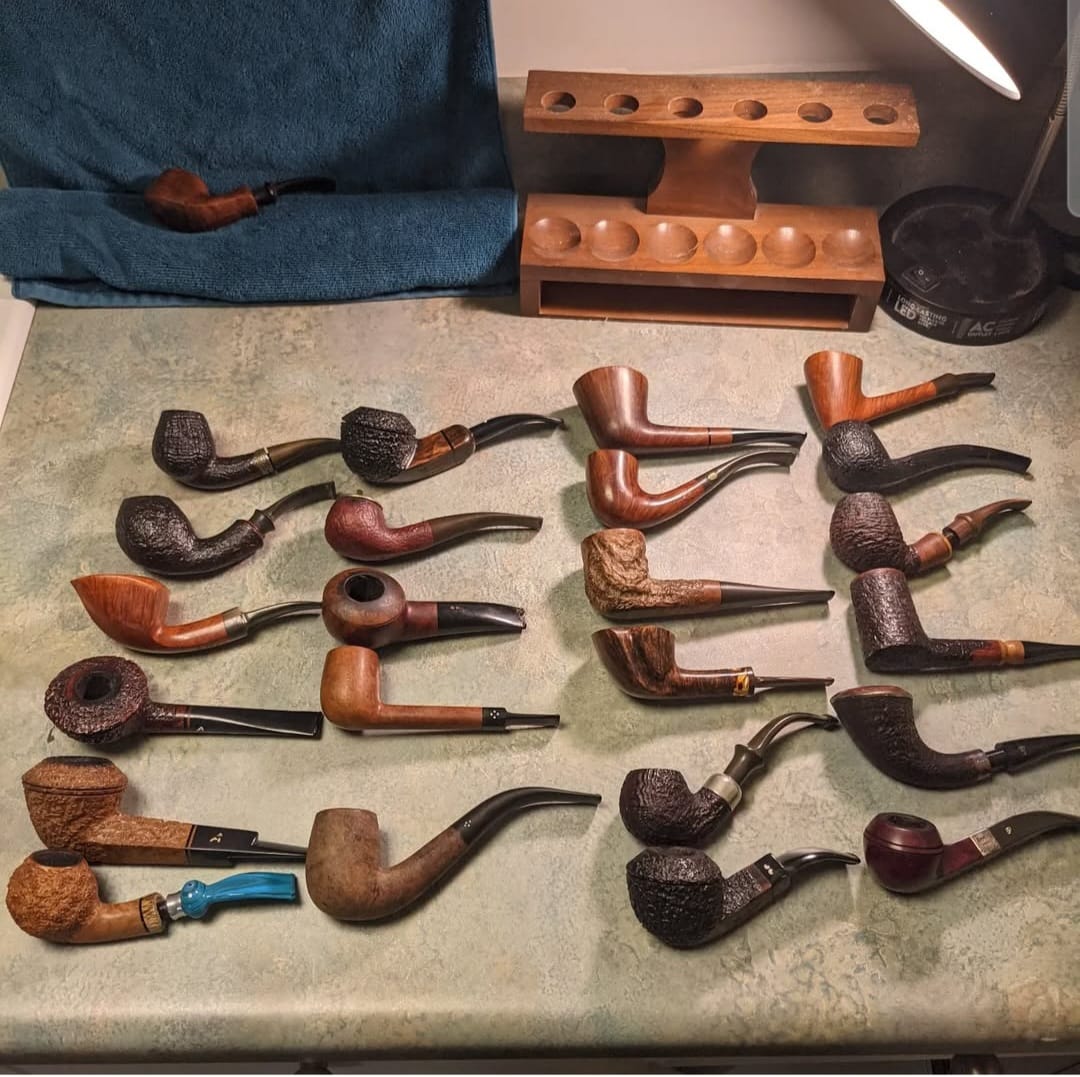
Understanding Estate Pipes: What Makes Them Worth Restoring
Not all pipes are created equal. Estate pipes carry history, craftsmanship, and character that often cannot be replicated today. In this article, we explore what defines an estate pipe, what makes one worth restoring, and how careful restoration preserves both function and legacy.
Introduction
Every estate pipe has a story—sometimes obvious, sometimes hidden beneath years of use, neglect, or improper care. From subtle wear patterns to deep patina, these signs are not flaws but records of a pipe’s life. At Pipe Revival, restoration begins with understanding what makes an estate pipe worth saving in the first place.
Estate pipe restoration is not about making old pipes look new. It’s about honoring craftsmanship, preserving authenticity, and ensuring the pipe can be enjoyed safely and comfortably for years to come.
What Is an Estate Pipe?
An estate pipe is any previously owned smoking pipe. While some are lightly used, others may have seen decades of regular smoking. What distinguishes estate pipes from modern production pipes is often the quality of materials, shaping techniques, and finishing standards used at the time they were made.
Many estate pipes were handcrafted during eras when pipe making emphasized durability and balance over mass production. This alone makes them worthy of careful evaluation and restoration.
Why Some Estate Pipes Are Worth Restoring
Not every old pipe requires or deserves extensive restoration. A thoughtful assessment considers several factors:
Structural integrity of the briar
Quality of original craftsmanship
Condition of the airway and bowl
Potential for safe repair without altering character
Historical, sentimental, or collectible value
When these elements align, restoration becomes an act of preservation rather than repair.
The Importance of Briar Quality
Briar quality plays a critical role in restoration decisions. Well-aged briar resists heat, breathes properly, and develops flavor-enhancing properties over time. Many estate pipes were made from superior briar that is difficult to source today.
A structurally sound briar bowl—even one with cosmetic wear—often justifies restoration.
Why Careful Restoration Matters
Restoration is a balance of restraint and skill. Aggressive sanding, reshaping, or polishing can remove stamping, distort proportions, and permanently reduce value.
At Pipe Revival, restoration is approached deliberately:
This philosophy ensures each pipe retains its individuality.
Evaluate before intervening
Preserve original lines and markings
Repair only what is necessary
Maintain the pipe’s original character
Restoration vs Replacement
True restoration does not aim to replace original components unless absolutely necessary. Whenever possible, original stems, finishes, and shaping are preserved. Replacement parts are considered only when functionality or safety is compromised—and even then, care is taken to maintain balance and proportion.
Our Philosophy at Pipe Revival
We believe restoration should extend a pipe’s life - not rewrite its history.
Each pipe is treated as a unique piece, not a production item. Time, patience, and precision guide every decision. The goal is simple: return the pipe to a condition where it can be enjoyed again—comfortably, safely, and with pride.
Conclusion
Estate pipes offer something modern pipes often cannot: depth of character shaped by time. When restored thoughtfully, they become companions rather than collectibles—meant to be smoked, appreciated, and passed on.
Understanding what makes an estate pipe worth restoring is the first step in honoring its story. At Pipe Revival, that story is never erased—only preserved.

.jpeg)